Alaria Esculenta: Why Atlantic Wakame Wins Against Asian Imports
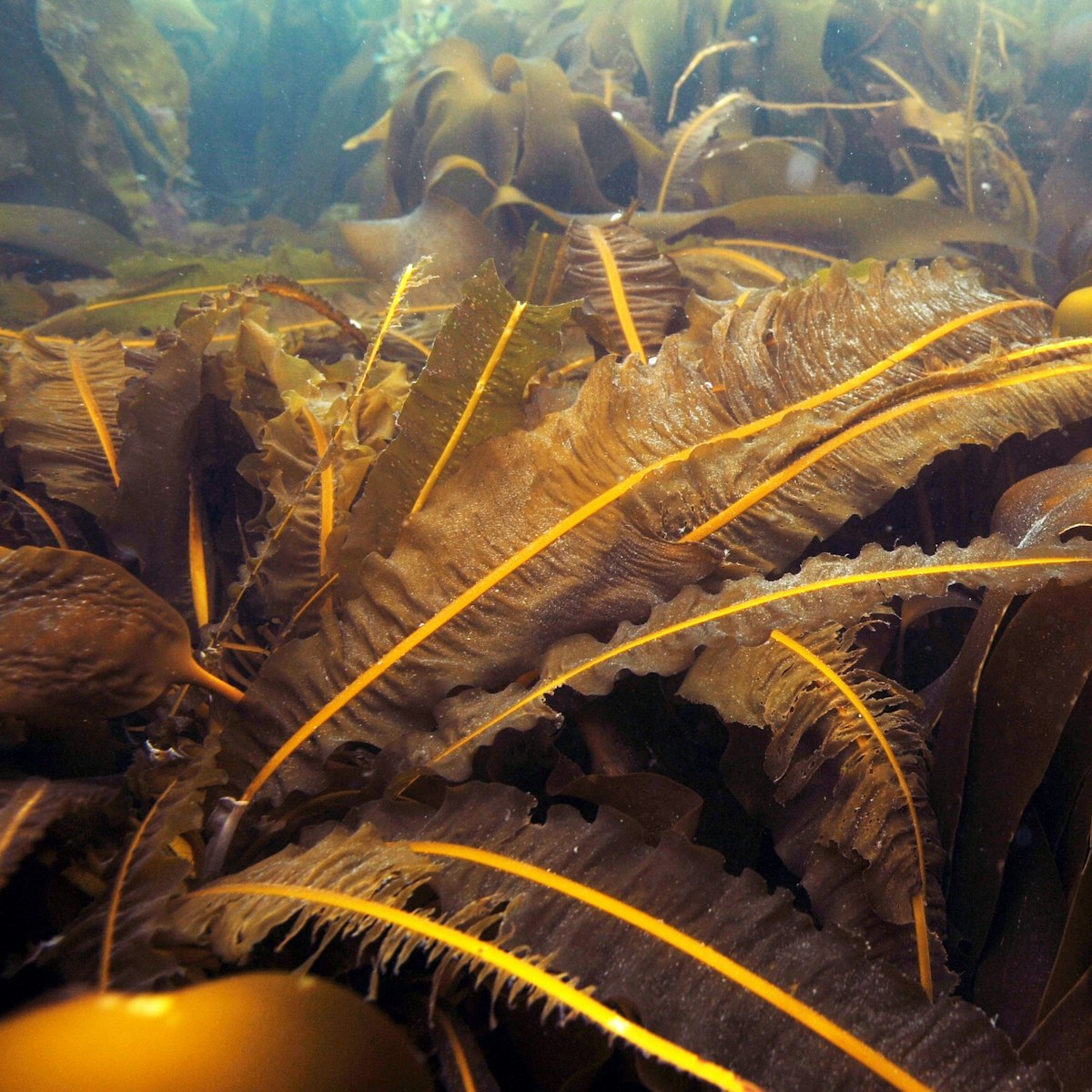
TL;DR: While the health industry keeps pushing exotic superfoods from halfway across the world, European coastal communities have been eating something better for centuries. Alaria esculenta – also known as Flügeltang or Irish Wakame – delivers the same bioactive compounds as its Asian cousin, but from the cleanest, coldest waters on Earth. Here's why science is finally catching up with what Irish monks already knew.
Table of Contents
- The Uncomfortable Truth About Superfoods
- What Is Alaria Esculenta?
- The Plot Twist: It's Not About Omega-3
- Alaria Esculenta Benefits: What The Research Shows
- The Atlantic Advantage: Why Location Matters
- Alaria Esculenta in Skin Care
- How To Actually Use Alaria Esculenta
- Flügeltang vs. Asian Wakame
- The Bottom Line
- FAQs
The Uncomfortable Truth About Superfoods
Every year, a new "miracle food" trends on Instagram. Açaí from Brazil. Goji berries from Tibet. Spirulina from Chad. The pattern? They're always exotic, expensive, and conveniently far away.
But here's what nobody tells you: The carbon footprint of your "sustainable" superfood bowl probably cancels out any health benefit.
Meanwhile, right off the coast of Ireland and Scotland, a brown seaweed has been feeding coastal communities for over 1,000 years. The Vikings ate it. Irish monks cultivated it. Scottish islanders considered it a dietary staple.
Its name? Alaria esculenta.
You've probably never heard of it. The supplement industry prefers it that way.
What Is Alaria Esculenta (And Why Should You Care)?
Alaria esculenta belongs to the Laminariales family – the same group as the famous Japanese Undaria pinnatifida. Think of it as wakame's tougher, more resilient European cousin.
Where it grows: Cold Atlantic waters (4-12°C), strong currents, rocky coasts
German name: Flügeltang (literally "wing kelp")
Traditional use: Food, animal feed, fertilizer, medicine
But unlike Asian wakame – which is mostly farmed in controlled aquaculture – most Alaria esculenta grows wild in some of the most pristine ocean environments left on Earth. At least the Alaria we source does.
The difference?
Colder water = slower growth = higher concentration of defensive compounds.
Your body doesn't care about marketing buzzwords. It cares about bioactive molecules. And Alaria esculenta delivers them in spades.
The Plot Twist: It's Not About Omega-3
When most people think "seaweed health benefits," they think omega-3 fatty acids.
Here's the reality: Seaweed doesn't contain much EPA or DHA (the omega-3s in fish oil). What it does contain are the precursors – and that might actually be better.
Your body converts these precursors (mainly ALA) into EPA and DHA on demand. It's like having a factory that produces exactly what you need, when you need it.
But the real stars of Alaria esculenta aren't the fatty acids. They're two compounds you've probably never heard of:
1. Fucoidan: The Cellular Conductor
Fucoidan is a sulfated polysaccharide – a complex sugar molecule that "talks" to your immune system.
Over 50 peer-reviewed studies have investigated its properties:
- Cardioprotective: Protects heart muscle from oxidative damage (Thomesa et al., 2010)
- Immunomodulating: Activates macrophages and natural killer cells
- Anti-inflammatory: Modulates inflammatory signaling pathways
- Cholesterol management: Helps regulate lipid metabolism
Think of fucoidan as a communication protocol between ocean intelligence and human biology. It doesn't force your body to do anything – it helps your cells coordinate better.
2. Fucoxanthin: The Metabolic Optimizer
This orange-brown carotenoid is what gives Alaria esculenta its color. But unlike beta-carotene from carrots, fucoxanthin has unique properties:
- Metabolic support: Influences mitochondrial function in white adipose tissue
- Antioxidant power: Protects cells from oxidative stress
- Makes you beautiful: Long story short – it supports healthy skin from the inside out
Research shows fucoxanthin and its metabolites work synergistically with other seaweed compounds for enhanced effects.
Alaria Esculenta Benefits: What The Research Actually Shows
Let's cut through the hype and look at what science demonstrates:
Cardiovascular Support
A 2013 review in Trends in Food Science & Technology found that polysaccharides from Laminariales species (including Alaria) support:
- Healthy cholesterol levels
- Normal blood pressure
- Cardiovascular tissue integrity
The mechanism? Multiple pathways working together – not a single "magic bullet."
Immune System Intelligence
Fucoidan from brown seaweeds doesn't just "boost" immunity (that marketing term is mostly meaningless). Instead:
- It modulates immune response
- Supports balanced inflammation
- Enhances cellular communication
Studies show improved macrophage activity and increased interferon-gamma production – but without overactivation.
Metabolic Health
The combination of soluble fiber (alginate), fucoxanthin, and fucoidan creates a unique metabolic profile:
- Supports healthy blood sugar regulation
- Aids nutrient absorption control
- Provides prebiotic effects for gut bacteria
Thyroid Function
Here's where Alaria esculenta (Flügeltang) really shines: bioavailable iodine.
Unlike isolated iodine supplements, the iodine in seaweed comes in an organic matrix with:
- Co-factors for absorption
- Natural regulation mechanisms
- Synergistic minerals (selenium, zinc, magnesium)
Your thyroid doesn't just need iodine – it needs the supporting cast too.
The Atlantic Advantage: Why Location Matters
Not all Alaria esculenta is created equal. Where it grows dramatically affects its composition.
Why Atlantic seaweed wins:
- Colder water = slower growth = concentrated compounds
- Strong currents = stronger plants = higher bioactive content
- Minimal pollution = cleaner product = fewer contaminants
- Wild-harvested = natural selection = optimal genetics
Compare this to aquaculture operations where algae grow in controlled (often crowded) conditions with supplemental feeding.
The scientific proof: Studies confirm that fucoidan content and structure vary significantly based on:
- Geographic origin
- Water temperature
- Seasonal timing
- Environmental stress
Atlantic Alaria esculenta faces harsh conditions. That stress produces the defensive compounds that benefit human health.
Alaria Esculenta in Skin Care: The Emerging Science
Here's where things get interesting for the beauty-conscious.
While most seaweed skin care relies on generic "seaweed extract," emerging research focuses specifically on compounds from Alaria and related species:
Fucoidan in dermal applications:
- Supports collagen synthesis
- Modulates skin inflammation
- Provides antioxidant protection
- Enhances skin barrier function
Fucoxanthin's skin benefits:
- Protects against UV-induced oxidative damage
- Supports healthy skin cell turnover
- Provides anti-inflammatory effects
Korean and Japanese cosmetic companies have been using these compounds for years. European brands are just catching up.
How To Actually Use Alaria Esculenta
Forget pills and powders extracted with chemical solvents. The traditional approach works best:
Whole-food seaweed delivers:
- Complete nutrient matrix
- Natural ratios of compounds
- Fiber for gut health
- Minerals in bioavailable forms
Practical tips:
- Rinse before use (removes surface salt)
- Soak 5-10 minutes for dried seaweed
- Add to soups, salads, or smoothies
- Start small (5-10g dry weight per day)
What about the iodine?
One serving provides approximately 150-300% of daily iodine needs. Sounds high, but research on traditional seaweed-eating populations shows the body regulates absorption efficiently when iodine comes from whole food sources.
Still concerned? Consult your healthcare provider, especially if you have thyroid conditions.
Flügeltang vs. Asian Wakame: The Real Comparison
| Feature | Alaria esculenta | Undaria pinnatifida |
|---|---|---|
| Origin | Wild Atlantic | Mostly aquaculture |
| Water temp | 4-12°C | 10-18°C |
| Harvest method | Sustainable wild | Intensive farming |
| Transport | Short (EU) | Long (Asia → EU) |
| Research | Growing | Extensive |
| Availability | Limited | Common |
| Price | Premium | Standard |
Both deliver similar compounds. The question is: Do you want the wild Atlantic version or the farmed Asian one?
The Bottom Line
Alaria esculenta isn't trying to be the next trendy superfood. It's been quietly nourishing European coastal communities for millennia.
What's changed? Science is finally explaining why it works.
You don't need exotic foods from the other side of the world. Some of the most potent functional foods grow right off Europe's coast – in the coldest, cleanest waters on the planet.
The supplement industry won't tell you this. They'd rather sell you pills made from isolates, extracted with solvents, shipped from across the globe.
But the ocean has already provided the answer.
The question is: Are you ready to listen?
FAQs
Is Alaria esculenta safe to eat daily?
Yes, when sourced from clean waters and consumed in traditional amounts (5-15g dry weight). The iodine content is naturally balanced with other minerals.
Can I take it if I have thyroid issues?
Consult your healthcare provider first. While the organic iodine in seaweed is generally well-tolerated, individual needs vary.
How is it different from spirulina or chlorella?
Completely different organisms. Spirulina and chlorella are freshwater microalgae. Alaria esculenta is a brown seaweed (macroalgae) from the ocean with distinct compounds.
Where can I find quality Alaria esculenta?
Look for products that specify:
- Wild-harvested from Atlantic waters
- EU organic certification
- Heavy metal testing
- Transparent sourcing
Does it taste like fish?
No. It has a mild, slightly salty, umami flavor – similar to Japanese wakame but slightly more robust.
Sources:
Mohamed S. et al. (2011). Seaweeds: A sustainable functional food for complementary and alternative therapy. Trends in Food Science & Technology.
Mayakrishnan V. et al. (2013). Cardioprotective activity of polysaccharides derived from marine algae. Trends in Food Science & Technology.